Santa Paula highlight
Strong community identity
Santa Paula Airport opened in 1930 and by 1938 the city had more airplanes per capita than any other community in the nation.
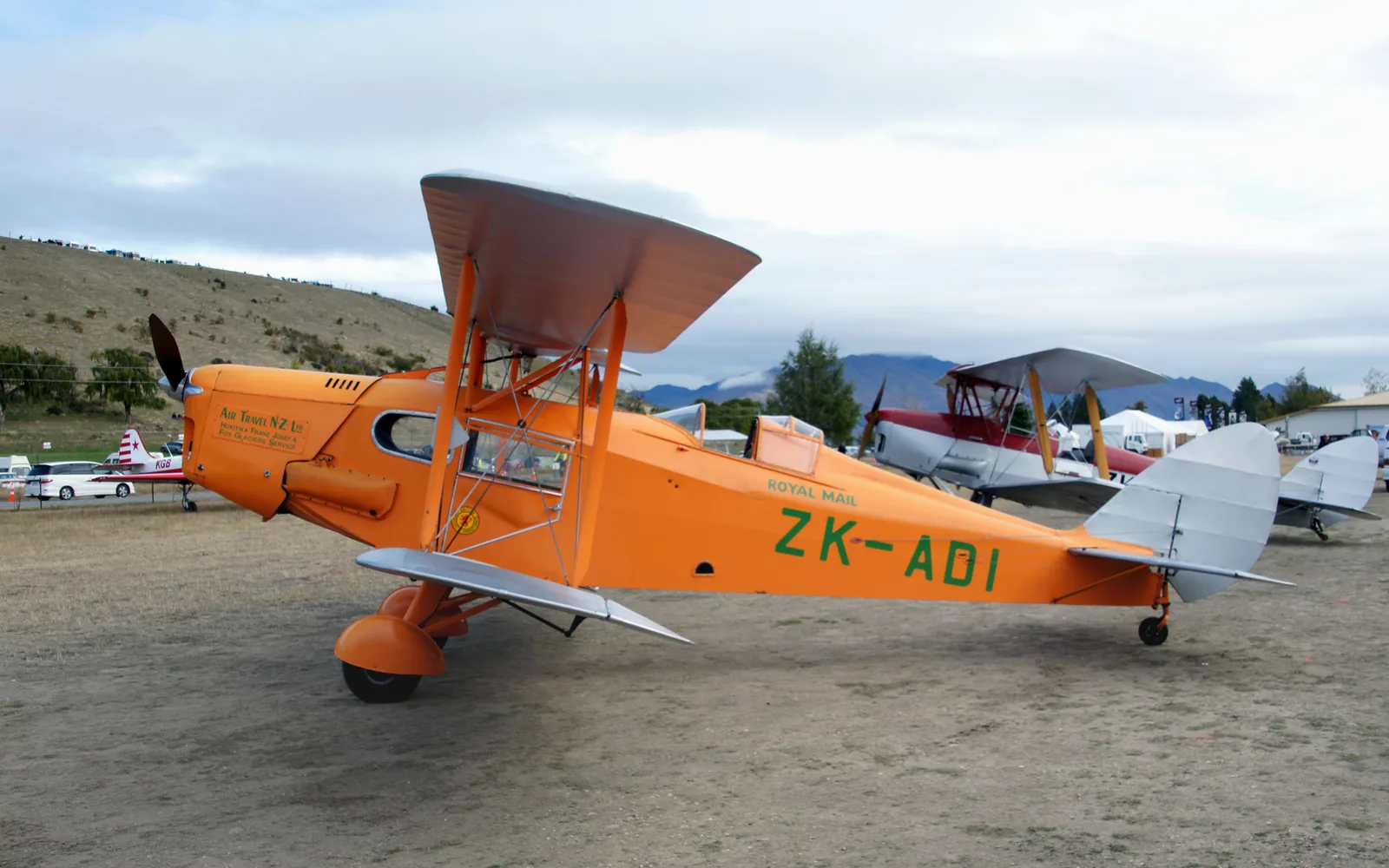
Santa Paula Airport was built in 1930 following the St. Francis Dam disaster of 1928. Local ranchers Ralph Dickenson and Dan Emmet, along with 19 other local businessmen, each invested $1,000 to construct the airport with their own hands on land adjacent to the Santa Clara River. The airport's dedication in August 1930 featured air races, aerobatics, and appearances by famous aviators including Pancho Barnes and Jimmy Doolittle. By 1938, with a population of just 7,200, Santa Paula had more airplanes per capita than any other community in the entire nation.
The Aviation Museum of Santa Paula now preserves this heritage through a unique 'Chain of Hangars' model, each displaying personal collections of antique, classic, and experimental aircraft, vintage automobiles, motorcycles, and aviation artifacts. Open to the public on the first Sunday of each month, the museum celebrates the decades when Santa Paula became known as the Antique Airplane Capital of the World—a distinction earned when the community rallied together to build and fly.
Communities that cultivate identity through shared commitment—whether to aviation, agriculture, or industry—develop bonds that sustain families through generations. In Santa Paula, those bonds mean neighbors understand the value of planning ahead for the people who depend on you, which is what term life insurance provides: security for your family's future during the years when your income is most critical.